


Postpartum depression not takens serious, says local woman
By Linda Horn
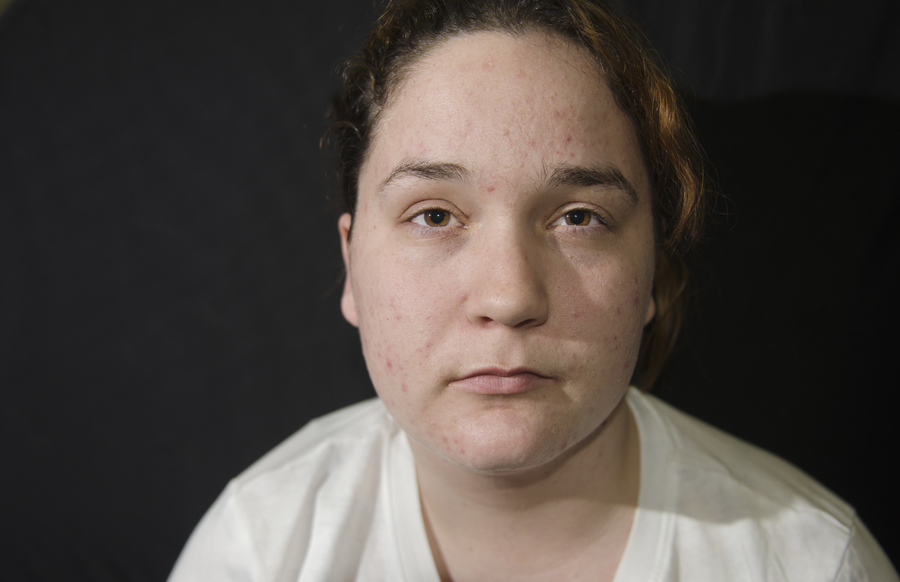 Staci Foote is a 24-year-old stay at home mom from Trenton. She was first diagnosed with postpartum depression after her daughter was born and she has suffered from the illness since. Foote said one of her biggest symptoms of depression is extreme tiredness and sadness, which prevents her from enjoying a normal life.
Foote said she feels people think she is making things up and that people don’t take her illness seriously.
“It makes me feel bad because I wish they would understand. I wish people would realize it is not easy. You don’t want to have it,” said Foote.
According to the Centre for Addiction and Mental Health, she is one of the one in five Canadians that will experience a mental illness in their lifetime.
Those who suffer mental illness find it hard to disclose that to people. The centre’s website states that “Just 50 per cent of Canadians would tell friends or coworkers that they have a family member with a mental illness, compared to 72 who would discuss diagnoses of cancer or 68 per cent diabetes in the family.”
When people have a mental illness doing things like working or attending school can be difficult for them. The centre’s website states that “On any given week, at least 500,000 employed Canadians are unable to work due to mental illness, including approximately 355,000 disability cases due to mental and/or behavioral disorders plus approximately 175,000 full-time workers absent from work due to mental health issues.”
Natasha Sinclair, a 30-year-old culinary management graduate from Loyalist College, said when she was first diagnosed with depression five years ago she had a good job that paid well.
Her illness progressed and when she was later diagnosed with borderline personality disorder, she found she was no longer able to work. She said the stress became too much to handle and she had to focus on her recovery.
She said her personal relationships also suffered.
“I believe people think mental illness is real but some have boundary lines, can help you for so long. Then they expect to you to be OK. They want a quick fix,” said Sinclair.
“Mental illness does not work like that,” said Sinclair. “You have to take the time to recover. You need to take your medications and get some type of therapy.”
“Stigma does come with mental illness but you need to stay strong and stay with your recovery. Stigma does not matter. All that matters is getting well,” said Sinclair.
 Print This Post